Think of the first impression your home gives. Is it welcoming? Is it elegant? Or is it a patchy trail that screams neglect? That’s where custom walkways step in—literally. These intentional pathways not only lead you from point A to point B, but also elevate your property’s charm, safety, and functionality.
Custom walkways are designed to fit your unique landscape, personal style, and practical needs. They go far beyond generic sidewalks or pavers—they’re expressions of your home’s identity. But why should you care? Because the small details, like walkways, make the biggest difference in curb appeal, safety, and property value.
Let’s unravel everything you need to know about custom walkways—from why they matter to how they can transform your space.
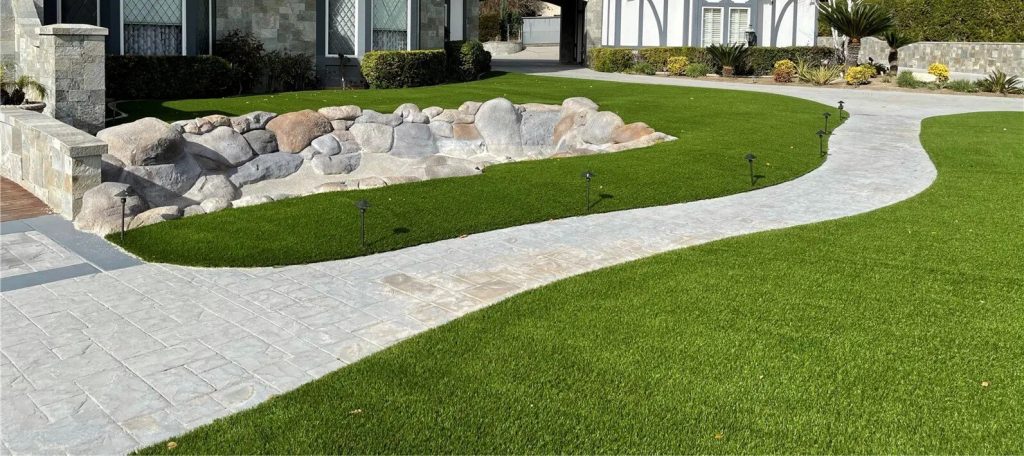
Custom Walkways
A custom walkway is more than just a trail—it’s a personalized, designed pathway that connects different parts of a landscape. These walkways might lead to your front door, wrap around your garden, or guide guests through a backyard retreat. Unlike standard paths, custom walkways allow homeowners to choose the exact material, shape, width, slope, texture, and style.
This customization means your walkway doesn’t just serve a purpose—it tells a story. Whether it’s a clean, modern concrete path with embedded LED lights or a meandering stone walkway surrounded by flowers, the possibilities are endless.
The Aesthetic Appeal of Walkways
One of the main reasons homeowners invest in custom walkways is for visual appeal. A well-placed, beautifully designed path can:
Frame your home’s architecture
Create inviting entrances
Define garden zones
Add symmetry or artistic flair
A thoughtfully crafted walkway makes a home feel more polished and intentional. It says, “We care about details.”
Functional Value of a Custom Walkway
Aside from looking good, walkways are workhorses. They provide:
Safe travel across yards, especially in wet or icy weather
Guided routes to prevent foot traffic on grass or delicate plants
Improved accessibility for wheelchairs or strollers
Defined spaces in large or busy landscapes
In essence, they combine form and function in one smart investment.
Materials Used in Custom Walkways
Custom walkways can be crafted from a wide range of materials. Here are the most popular:
| Material | Key Benefits |
|---|---|
| Concrete | Affordable, versatile, long-lasting |
| Brick | Timeless, slip-resistant, colorful |
| Natural stone | Rustic, elegant, eco-friendly |
| Pavers | Modular, easy to replace, decorative |
| Gravel | Low-cost, informal, good drainage |
| Wood | Warm aesthetic, ideal for rustic settings |
Each material has its pros and cons depending on climate, budget, and aesthetic preference.
Concrete Walkways: A Modern Favorite
Concrete is a top choice for modern custom walkways. Why? Because it’s durable, customizable, and cost-effective. From broom-finished for traction to stamped for a stone-like appearance, the textures and colors available with concrete are practically limitless.
To get the most out of a concrete design, hire a Concrete Contractor who specializes in artistic finishes. Not all concrete is gray and boring.
Choosing the Right Material for Your Climate
Walkways endure all types of weather. That’s why climate matters when selecting your material:
Hot climates: Avoid materials like asphalt or dark stone that absorb heat.
Cold regions: Choose frost-resistant materials like pavers or textured concrete.
Rainy areas: Go for slip-resistant finishes and good drainage like gravel or exposed aggregate.
The Role of a Concrete Contractor
A custom walkway is not a DIY weekend whim. It requires excavation, grading, material setting, and finishing. This is where an expert Concrete Contractor brings immense value.
They understand how to prepare the base, prevent cracking, ensure slope for drainage, and deliver a clean, professional finish.
Walkway Designs for Different Home Styles
Matching your walkway with your home’s architecture creates cohesion:
Colonial homes: Brick or cobblestone paths
Modern homes: Smooth concrete with sharp lines
Cottage homes: Natural stone or curved gravel paths
Ranch homes: Wide stamped concrete or neutral pavers
Custom Walkways for Gardens and Yards
In garden landscapes, custom walkways create intentional movement. They guide the eye and the feet—past beds of lavender or under arched trellises. Materials like flagstone or mulch work beautifully here for an organic feel.
Front Yard Walkways: First Impressions Matter
Your front walkway acts as a red carpet for your guests. A cracked, uneven path is not just unattractive—it’s unsafe. On the flip side, a stunning entry walkway with lighting and planters can instantly boost your home’s charm.
Backyard Walkways for Relaxation
Want to build a retreat right outside your back door? A curved stone path through greenery, lit softly at night, invites you to unwind. Walkways in backyards often incorporate seating areas, fire pits, or pergolas to enhance leisure.
Walkways and Accessibility
For aging homeowners or families with mobility concerns, walkways must be wide, even, and gently sloped. Consider handrails, non-slip finishes, and barrier-free transitions.
Safety Considerations
Use non-slip surfaces
Install proper lighting
Ensure even grading
Avoid trip hazards like loose stones or roots
These features make walkways not just attractive—but safe for everyone.
Custom Walkways and Real Estate Value
A custom walkway can add up to 10% to your property’s resale value. Realtors cite landscape improvements as one of the smartest outdoor investments. It gives the impression of a well-maintained, upscale property.
Walkways vs. Driveways
While both serve functional purposes, walkways are for guests; driveways are for vehicles. Walkways deserve special attention, as they interact directly with people. They also offer more design flexibility.
Walkways in Urban vs. Rural Homes
Urban homes benefit from compact, formal designs using pavers or polished concrete. In contrast, rural walkways tend to be wider, rustic, and more meandering to match natural surroundings.
Budgeting for a Custom Walkway
Walkway costs vary based on material and complexity:
Gravel: $5–$10/sq. ft.
Concrete: $8–$15/sq. ft.
Brick/Stone: $12–$25/sq. ft.
Discuss your goals and budget with a Concrete Contractor to plan effectively.
Sustainable Materials and Green Design
Eco-conscious walkways use:
Permeable pavers to reduce runoff
Recycled concrete or rubber
Local stone to reduce transport impact
These support sustainability without sacrificing beauty.
Seasonal Maintenance Tips
Spring: Power wash dirt buildup
Summer: Check for cracks or weeds
Fall: Clear leaves to avoid stains
Winter: Use non-corrosive de-icers
Signs You Need a Walkway Upgrade
Cracking or crumbling material
Pooling water or poor drainage
Outdated or mismatched design
Narrow paths not suitable for current needs
Permits and Legal Considerations
Some areas require permits for walkway installation—especially if they affect drainage or are near public sidewalks. Always check with local zoning boards or consult your contractor.
Enhancing Walkways with Landscaping
Frame your path with:
Shrubs or grasses
Decorative mulch
Solar path lights
Water features
These accents soften the path and increase ambiance.
Walkways with Integrated Technology
Modern walkways now feature:
Smart LED lighting
Heated surfaces
Solar-powered lights
Embedded motion sensors
Tech meets taste.
Inspiration from Real Homes
From minimalist zen gardens to grand estate entries with mosaic tile, homeowners across the U.S. are showcasing creativity in walkway design. Consider browsing local contractor portfolios or Pinterest for ideas.
Mistakes to Avoid When Planning
Ignoring drainage
Using cheap materials
Overcomplicating design
Forgetting accessibility
Skipping maintenance planning
How to Contact a Local Expert
For Fort Smith and surrounding areas, reach out to your trusted Concrete Contractor. You can also use their easy Contact form to schedule a consultation.
FAQs About Custom Walkways
How long does a custom walkway last?
Most well-built concrete or stone walkways last 20–30 years with minimal maintenance.
Can I install a walkway myself?
You can, but it’s best left to professionals to ensure longevity, safety, and drainage.
Do custom walkways increase home value?
Yes! They boost curb appeal and can increase home resale value significantly.
How wide should a walkway be?
Standard is 3 feet wide, but 4–5 feet is ideal for accessibility or two-way passage.
Are permits required for walkways?
Depends on location. Your contractor will guide you through permit needs.
What is the most low-maintenance walkway material?
Concrete or pavers are both highly durable and require little upkeep.
Conclusion and Takeaway
Custom walkways are more than decorative—they’re functional, valuable, and transformative. They reflect your taste, improve safety, and increase your home’s marketability. Whether you want a serene garden path or a bold entrance feature, there’s a walkway design perfect for you. Don’t overlook this impactful upgrade. Instead, take the first step—on your new custom walkway.
Links: